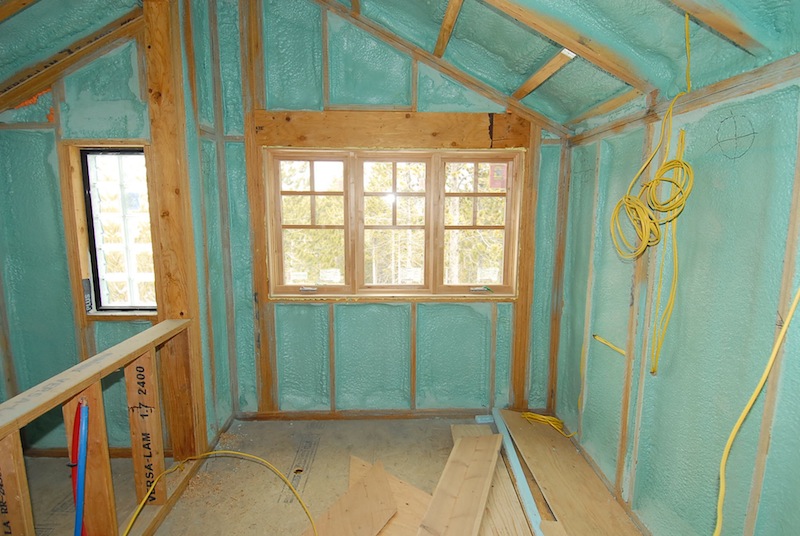
 A common misperception (and one apparently endorsed by many government agencies that intend to promote energy efficiency) is that the energy effectiveness of a wall depends almost solely on the R value of the insulation in that wall. Definitely not true. Think of how a wall is constructed. Lumber, windows, sheathing, house wrap, drywall. Each stick of lumber not only conducts heat or cold from the outside, but makes that much less room for insulation. What about windows? The more windows, especially those that don’t have the benefit of direct sunlight, the less energy efficient the wall system. If you want to consider the overall efficiency of a wall, don’t just consider the R-value of the insulation. Consider how the entire wall system is constructed. For instance, for the Zero Net Energy home we constructed in Breckenridge, we reduced the amount of lumber in the exterior walls so that we could increase the amount of insulation. We did this by using engineered lumber from Boise Cascade. This allowed us to place the vertical framing studs farther apart, increasing the amount of insulation in the wall. We used blown in rigid (blue) foam insulation which filled every potential air gap. Air infiltration in fiberglass insulated walls dramatically decreases a wall’s energy efficiency. And then we wrapped the entire house in rigid foam board insulation, increasing the R-value and further eliminating air infiltration. Windows on the north and north western sides of the home were reduced in favor of more window area on the southern areas of the home. Exterior wall systems properly engineered are an order of magnitude more energy efficient than conventionally constructed walls with higher R-value insulation, thereby putting the R-value Insulation Myth to rest.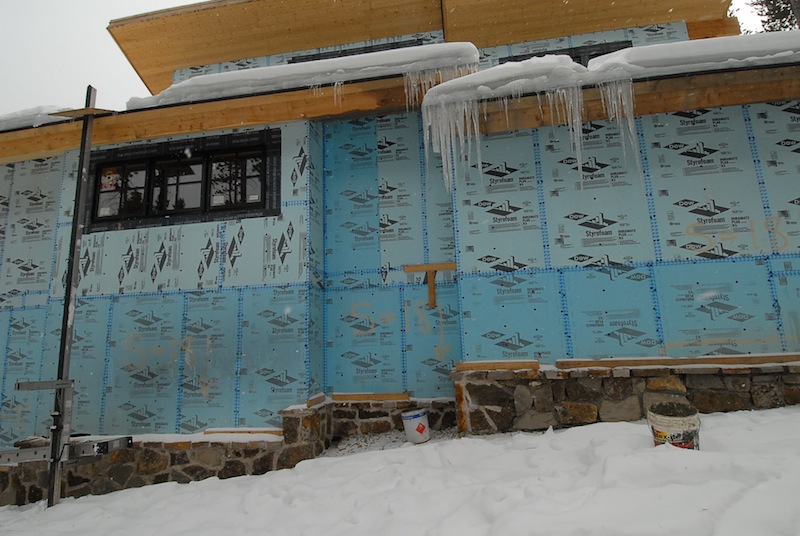
Some of our favorite projects
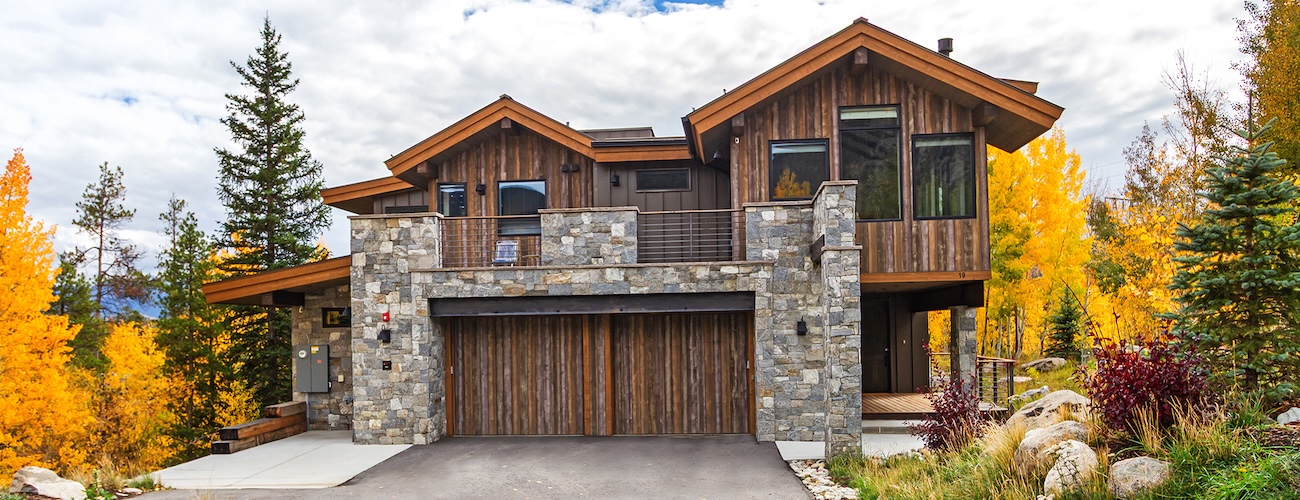
Mallard Lane
A stunning custom residence in Frisco, Colorado — where timeless mountain character meets modern design. Thoughtfully crafted by Trilogy’s design-build team, Mallard Lane reflects its alpine setting with materials, views, and subtle sophistication that elevate everyday living.
View Project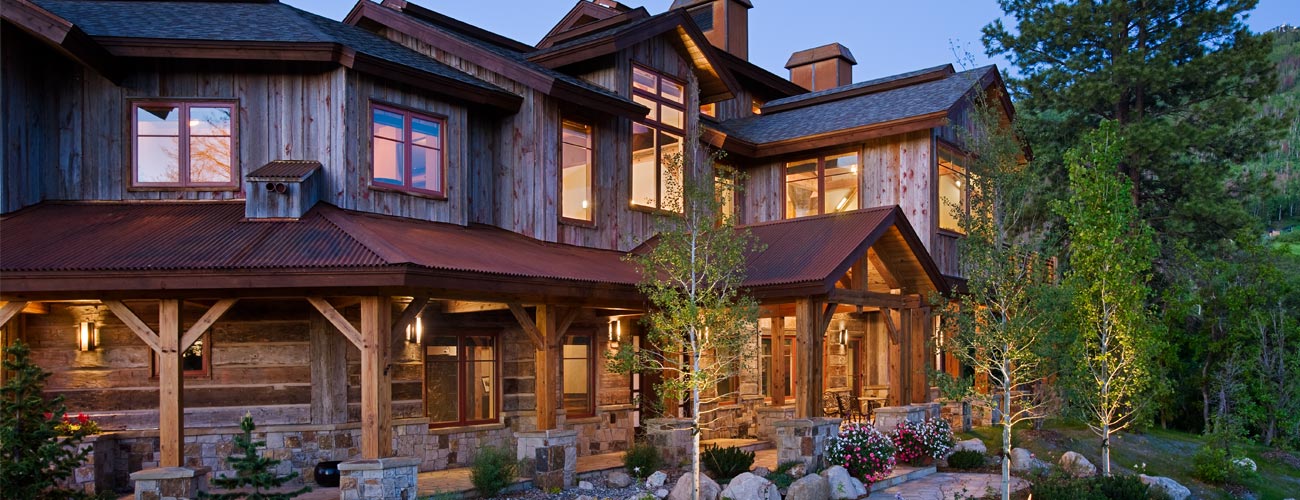
Some of our favorite projects
Storm Meadow
The Rocky Region’s best and boldest example of Western – Mountain – Asian fusion. A one-of-a-kind 6000 square foot home with a totally authentic 800 square foot Japanese Tea House surrounded by gardens and a hot springs spa.
View Project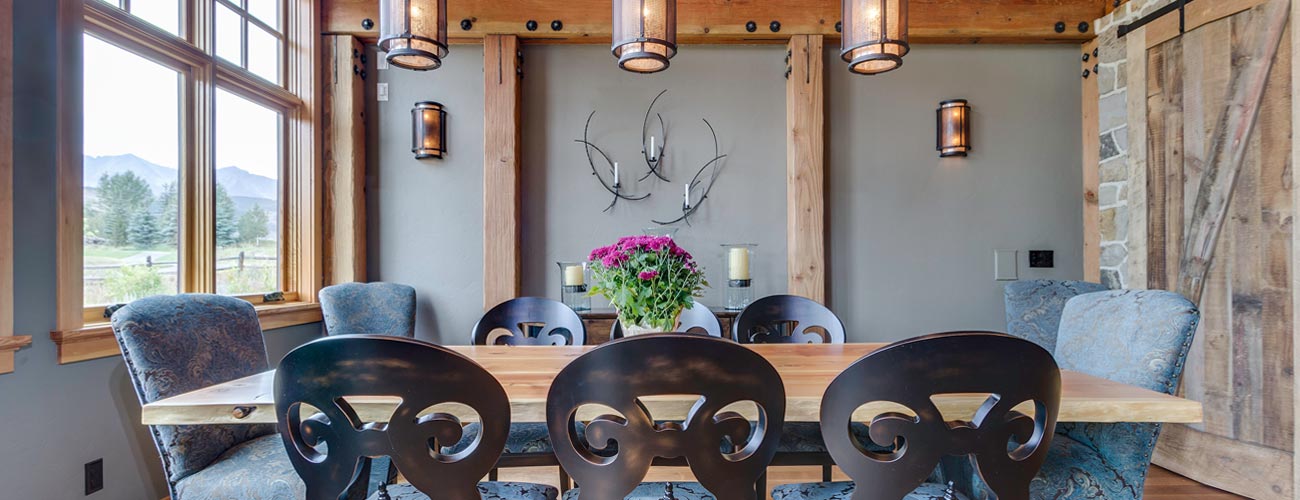
Some of our favorite projects
Tiger Road
This home was another unique collaboration between owner (an engineer with decades of construction experience) and Trilogy Partners. Trilogy was entrusted as Design Build Project Manager and retained bhh Partners for basic architectural design.
View Project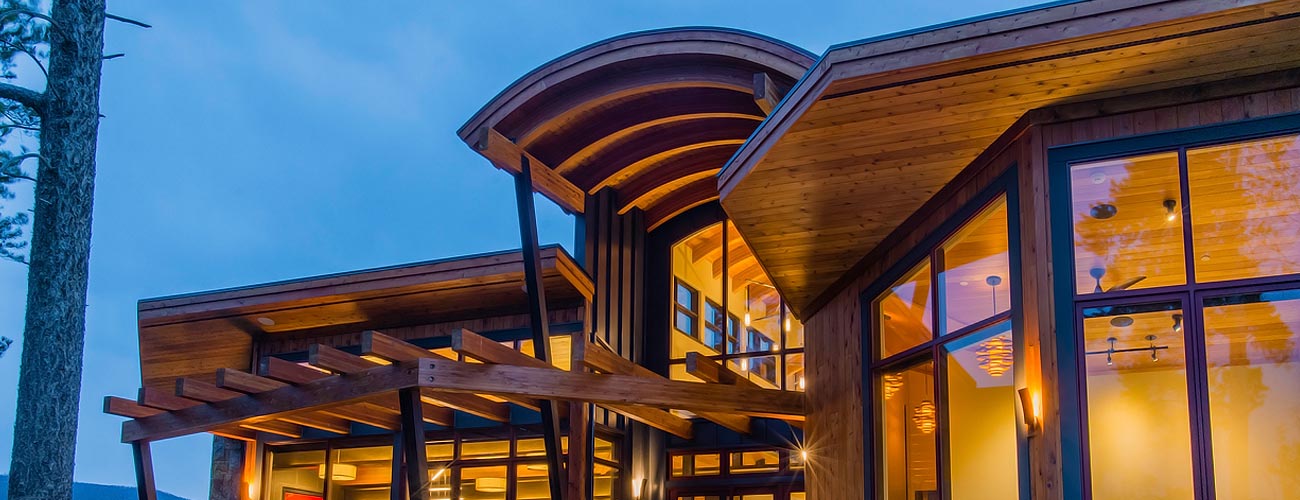
Some of our favorite projects
Three Peaks Asian Fusion
Perched in a sublime setting at the base of Three Peaks along The Raven golf course at 9000 feet in elevation, this mountain getaway was created for Denver-based clients who love the mountain lifestyle.
View Project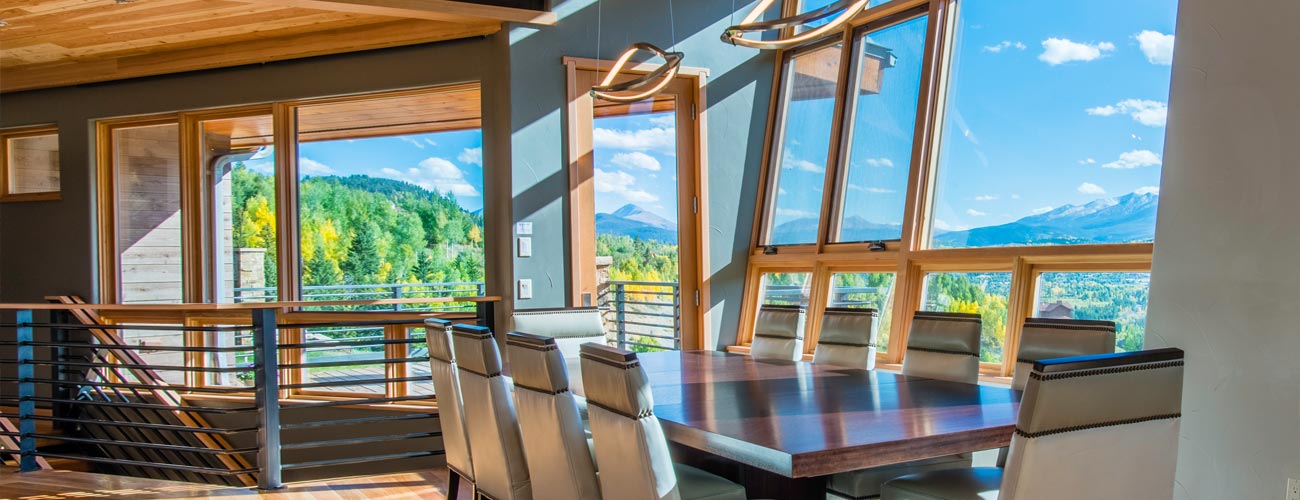
Some of our favorite projects
Hamilton Creek Mountain Modern
This modern marvel has some of the best views in all of Summit County of the 10 Mile and Gore Ranges. A multiple grand award winner at the 2016 Parade of Homes, bhh Partners served up the principal architecture.
View Project